Contents:

Age Tech: The Market Where Everyone is a Potential Consumer | Trends
What you need to know: Worldwide, the number of people over 65 totals 635m and could rise to 2B by 2060. The people getting older and living longer want to age comfortably at a home, but a lack of connectivity and social isolation makes it difficult. Venture capital funds have started investing tens of millions in age tech.
How you can capitalize:
- Improve connectivity and decrease social isolation through the sharing economy. Examples include Silvernest, which is a roommate service targeted at seniors.
- Turn any number of clinical treatments or technologies into a direct to consumer service that reduces doctor and hospital visits.
- Use voice technology and other technologies to transform homes into areas where elderly people can feel more connected and where data can be collected on their well-being.
*****

21st century catnip: The rise of CBD for pets | Trends by The Hustle
What you need to know: Pet supplements have risen in popularity because of the increase in pet ownership and humanization of pets. The $636m supplement market is expected to grow at a 5% rate, and CBD is leading the way. CBD sales are expected to increase at a 57% CAGR.
How you can capitalize:
- Make a product backed by trials and testing. One industry expert believes 90% of current companies selling pet CBD are looking for quick profits.
- Gamble on making pet food with CBD. For now, CBD is restricted to pet supplements. Experts believe it will eventually be allowed in food and dog treats, creating a wider market.
*****
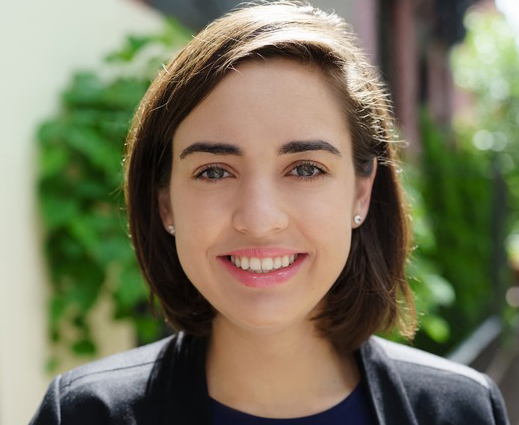
Catharine Dockery on building a VC fund for vices | Trends by The Hustle
Her last job was technically for Walmart. Catharine Dockery, the founder of VC fund that specializes in vice, was chief of staff for Bonobos founder Andy Dunn. After Bonobos was bought by Walmart, she worked several months for the company that cared so much about maintaing a squeaky clean image it didn’t sell music with explicit lyrics in the 1990s.
“It’s definitely a cultural shift,” she says.
Dockery, who is 26 and lives in Brooklyn, started Vice Ventures in January. In just over six months, Vice Ventures has raised $25m and invested in several companies related to traditional “vice” industries that are spurned by many investment funds.

The future of bikes is electric | Trends by The Hustle
What you need to know: Sales of ebikes are eventually expected to comprise half of all bike sales, meaning about 75m units will be sold each year, up from about 30m currently. The United States could see one of the biggest increases: Some 300k ebikes will be sold this year and that number is expected to increase to 2m within the next few years and eventually 7m annually.
How you can capitalize:
- Design a low-cost model of ebike to sell direct-to-consumer.
- Build apps that allow luxury ebikes to communicate to other riders and emergency responders.
- Design electric-powered mopeds and motorcyles.
***
Cold brew office kegs are the future of coffee | Trends by The Hustle
What you need to know:
- Cold brew coffee, a $29m industry, is expected to grow to $170m by 2025.
- Grant Gyesky, co-founder of RISE Brewing Co., believes the white space for providing cold brew kegs at offices is “enormous.”
How you can capitalize:
- Build a cold brew business that specializes in office kegs, particularly in underserved areas in the Midwest and Europe.
- Distribute and manage kegs for current and future cold brew coffee companies.
- Concoct a cold brew mashup by combining the popular drink with nutrients, protein or alcohol.
RISE Brewing Co.’s first client, in spring 2015, was a Brooklyn restaurant called Colonie. Co-founders Grant Gyesky and Jarrett McGovern provided a keg for the weekend brunchers the same way a brewery would with craft beer. Their frothy concoction looked similar to a stout, too: Poured into a glass, RISE’s drink foamed at the top.
Chris Marshall is building a sober bar franchise | Trends by The Hustle
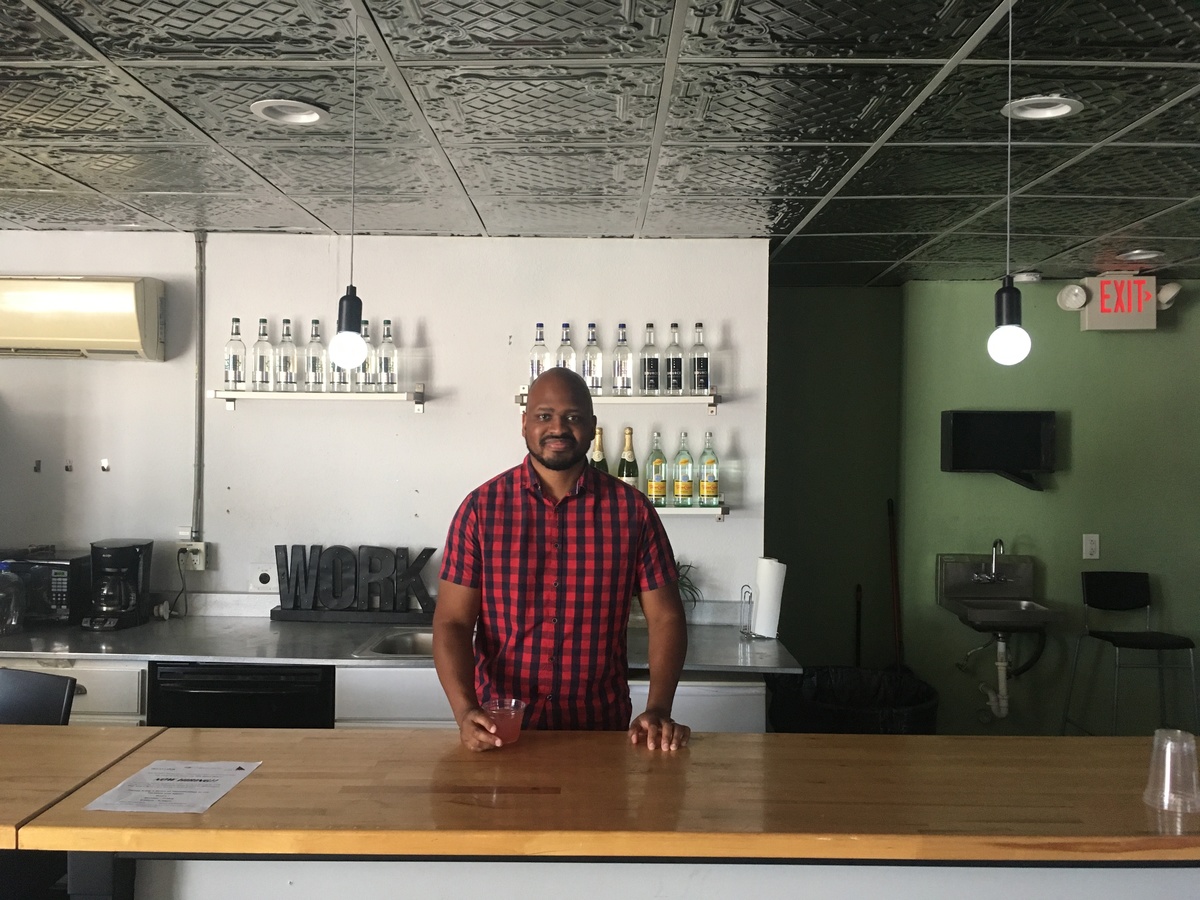
On a stretch of Austin’s eastside that features a popcorn cafe, vintage store, vegetarian soul food restaurant, and the city’s oldest black-owned barbecue joint, Chris Marshall has a drink waiting for me at his bar. And by drink, I mean not quite a drink. It’s a Rosemary and Ginger Mule. There’s no alcohol. There’s never alcohol in here.
Marshall owns Sans Bar, an Austin-based alcohol-free bar, and has also hosted pop-ups in places like Los Angeles, Portland, and Kansas City. He’s a recovering alcoholic and a former counselor. Every Friday before he opens the bar, Marshall says, he thinks about former friends and patients who relapsed and didn’t make it.
But he’s also focused on business. Sober bars, although they’ve been gaining attention in New York, have typically not worked in America, and Marshall wants to change that. His goal is to have a Sans Bar in every city and Sans Bar brand drinks in stores, to be the Starbucks for the sober-curious era.
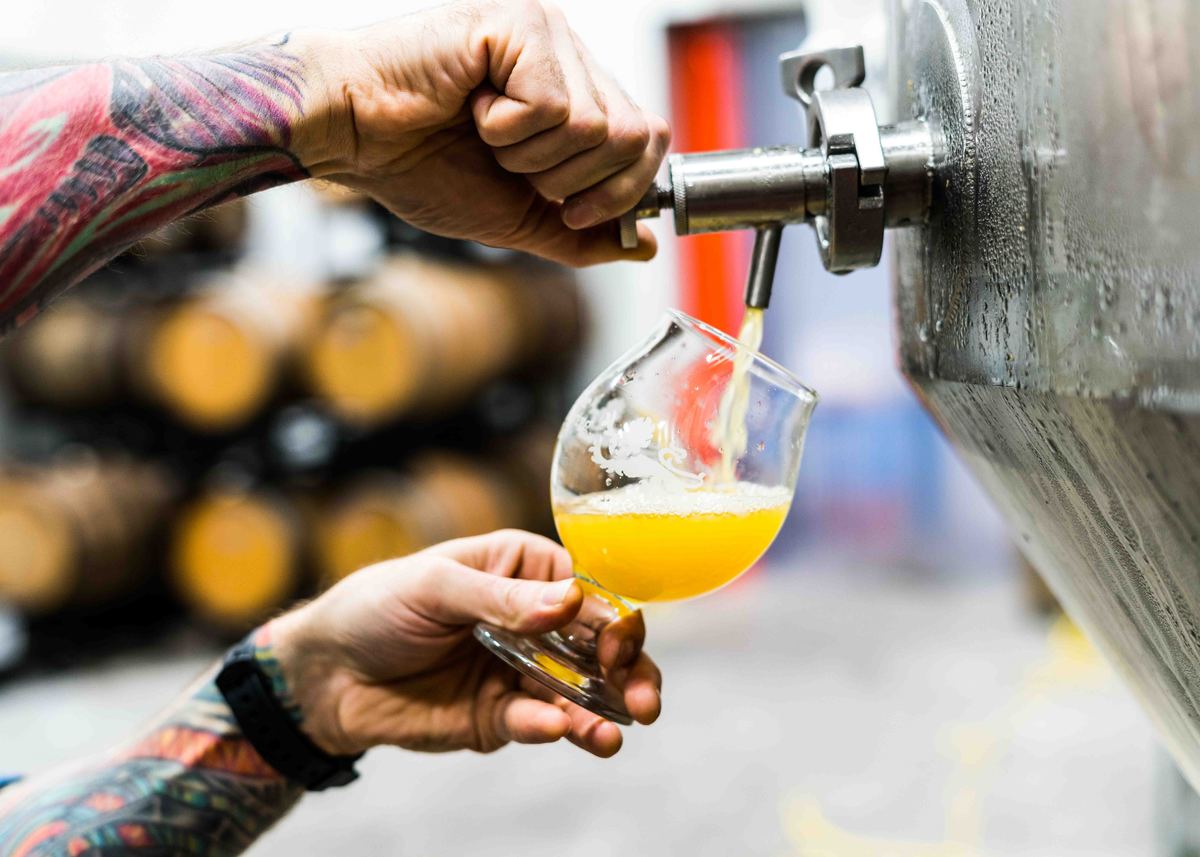
How to build a successful brewery in 2019 | Trends by The Hustle
CONTENT
For the average person thinking about starting a brewery, the short answer is don’t do it.
Consider the numbers:
- There are 7.5k breweries in the United States, according to the Brewers Association, up from ~2k in 2011.
- Overall beer sales were down 1% last year (craft was up 4%, but that increase was lower than in recent years).
- Some 27% of brewers experienced sales declines in 2017.

Selling Bibles to Young People: How One Company Created a Niche Market for Fancy Bibles
What you need to know: Inspired by faith and minimalist design, a pair of Christian millennials launched Alabaster, a photography-focused Bible publishing company. Early investment capital came from Daniel Fong, founder of $70m furniture business Million Dollar Baby.
How to capitalize: Other religious texts are ripe for redesigns that blend ancient wisdom, modern aesthetics, and cultural relevance. And don’t sleep on secular classics with wide fan bases: 2019 saw a huge set of creative works enter the public domain for the first time in 20 years, including hits by heavyweights Willa Cather, Anton Chekov, and Rudyard Kipling. That means anyone can turn a profit on those creative properties with the right approach.
* * *
The Bible is available in hundreds of world languages and English translations. But until recently, one tongue was missing: Millennial.

Weddings Go Micro | Trends by The Hustle
Your future summers may include far fewer wedding invites, and it won’t be because you’re less popular. The wedding industry, long overdue for disruption, is trending smaller and more affordable as millennials rethink costs and strict traditions that were once considered mandatory.
Several companies are meeting these demands by trying to simplify almost every aspect of a wedding, from invitations to guest lists to gift registries to flowers — and even the idea of a wedding itself. In the last several years, a new celebration that’s grander than an elopement but smaller than a full-scale wedding has grown increasingly popular: the microwedding.
“It is a trend we are seeing,” says Esther Lee, a senior editor at the powerhouse wedding website The Knot. “Couples are curating and personalizing the experience on the wedding day. Certain people are choosing to have more intimate weddings because it speaks to them and their personalities.”