Contents:

2 Ideas for Improving the Distribution of Local Food | Trends by The Hustle
When it comes to food, the buzzwords “fresh” and “local” dominate. About three-fourths of Americans, according to Gallup, actively try to consume more local foods.
Yet at grocery stores across the United States, little of the food is fresh or local. A majority of produce is imported from foreign countries. “Next time you’re in the grocery store, pick up those products and take a look,” says Matthew Tortora, founder of WhatsGood. “The organic tomatoes that you’re finding in your grocery store, I could almost guarantee you are either coming from Mexico, Canada, or if not, at best coming from California.”
WhatsGood, which has raised nearly $7m in funding, matches food producers with nearby restaurants and institutions. It also recently began a delivery service of a la carte farm-fresh goods to consumers.

How Tenta Browser Built a Successful Subscription Business | Trends by The Hustle
In a Google-dominated world that even Microsoft couldn’t crack, is there an industry for niche browsers? Tenta has built a successful subscription business for a niche browser.
The Seattle-based startup offers an encrypted browser with a built-in VPN and an ad blocker. Since launching in 2016, the app, which is available on Android and in a limited form on iOS, has been downloaded ~2 million times on Google Play, with 1 million of those downloads coming since March. It also has more than 17k ratings on Google Play with a 4.3 score.
We spoke with Tenta Browser co-founder Jen McEwen about how the co-founders got their idea from a previous adult entertainment app business, their tips for growth and how they’re marketing to a mainstream audience that might be unfamiliar with encrypted browsing. The interview has been condensed for brevity and clarity.

Mobile Business: Expanding Beyond Food Trucks | Trends by The Hustle
What you need to know
- The proliferation of food trucks, a nearly $3 billion industry, has led to a demand for other mobile services.
How you can capitalize
- Start your own mobile business, from dentistry to pet grooming to bicycle repair and beyond. Almost any service or product people want on a regular basis can work as a mobile concept.
- Partner with businesses to provide services at different sites every day and maintain a steady stream of customers.
* * *
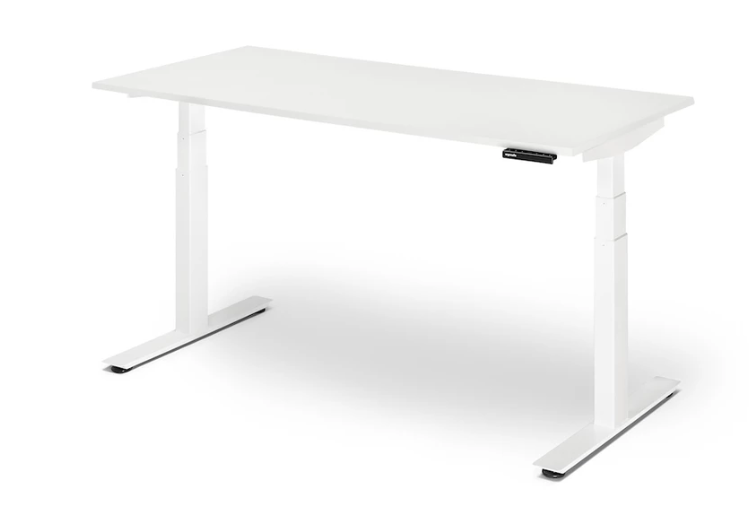
Step-by-Step: How Ergonofis Established the Sit-Stand Desk Market in Canada | Trends by The Hustle
The name Ergonofis represents a hybrid between ergonomics and office. It fits: Co-founder Samuel Finn likes to think his company’s product, an adjustable desk allowing people to stand and sit throughout the day, provides the most efficient way to stay healthy and get through a work day.
Finn started the company with Kimberley Pontbriand. Four years in, Ergonofis is on pace to make about $2.3m this year and its sales are up about 50% YoY.
This is how Ergonofis figured out how to design a prototype, build a D2C following, market and grow.
The idea phase

How to Capitalize on the New Blue Collar Industry | Trends by The Hustle
What you need to know
- Blue collar jobs are in high demand, but positions are going unfilled because of a reticence among younger job seekers to enter the industry.
How you can capitalize
- By using technology to make blue-collar jobs more appealing and to create better communication between clients and blue-collar vendors.
- By creating a modern online training platform for various trades, similar to Codecademy or Treehouse for coding. Or marketing a trades-related boot camp geared toward a younger audience.
* * *

Cannabis Business: How Revelry Supply Became a Million-Dollar Brand
Sometimes you just want to keep other people from smelling your stuff. Enter Revelry Supply. Based in Santa Cruz, CA, the lifestyle cannabis business makes odor-absorbing luggage — duffels, backpacks, personal bags, etc. — aimed at cannabis users.
The idea for the company was hatched in 2014, and Revelry Supply started selling luggage in 2015. In its first full year, Revelry Supply made about $700k. Since then, revenues have steadily increased, and the company is on track to make ~$2m this year.
With lawmakers passing cannabis-friendly legislation and plans to diversify further into the cannabis lifestyle market, co-founder Brandon Stewart says Revelry Supply expects major gains in the next few years.

Longtime VC Stuart Rudick: ‘The biggest opportunity today is water’ |
Stuart Rudick, founding partner of the VC firm Mindfull Investors, has long been an early adopter. When he was bar mitzvahed at 13 his father asked him what he wanted to do with the $2k he had been gifted. “I said, ‘I want to invest it,’” Rudick recalls.
But it was a bear market, and Rudick learned from his quick losses to pay closer attention to undervalued assets. After college, he rose quickly at Bear Stearns and then in 1983 started his own investment firm, Mindfull Investors. The firm’s mission was ahead of its time: investing in companies that promote health and wellness and those that have leaders who believe in health and wellness.
Rudick’s investments have included Earthlink.net, Muse, which makes brain-sensing headbands for meditation purposes, the organic food company Urban Remedy, and “clean greens” company Organic Girl. He hasn’t been perfect: Mindfull was also a key investor in the failed blockbuster juicing startup Juicero (known as the “greatest example of Silicon Valley stupidity”).

The Diversity Windfall | Trends by The Hustle |
What you need to know:
- Businesses with the most ethnic diversity and gender diversity outperform their peers by 33% and 21%, but many industries struggle with finding and hiring diverse talent.
How you can capitalize:
- Create a service that matches skilled workers without gender or racial bias in a specific industry. With a proprietary algorithm that helps eliminate bias for the hiring of temp and gig-worker jobs, Tilr is on pace to make $10m in its 4th year of business. In addition to matching potential employees with clients, Tilr also handles training, payments, and other related duties.
- This table from the US Bureau of Labor Statistics indicates the racial and gender diversity of more than 100 industries, offering hints of diversity gaps where entrepreneurs could get involved. Among the least diverse industries: construction, media, and law.
* * * * *
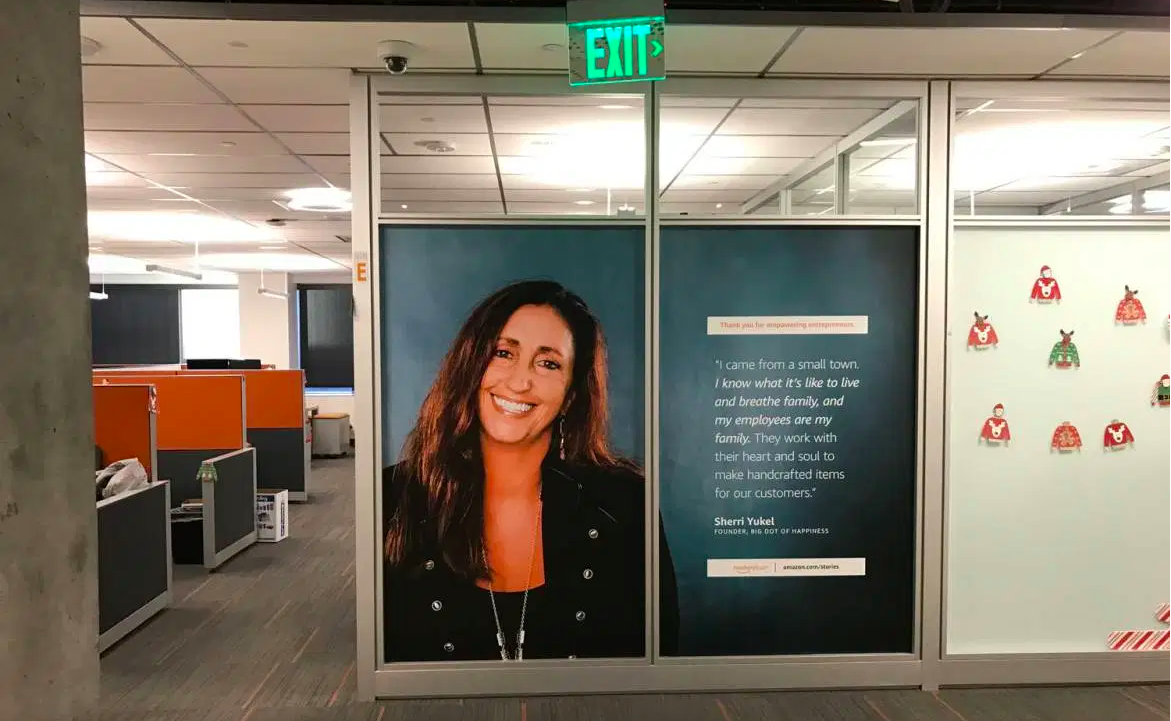
Step-by-Step: How Design Firm GBPro Doubled Revenue to $448k within 4 Years | Trends
If you visited Seattle in the last couple years, you may have seen the wall-size posters of entrepreneurs featured throughout the Amazon Marketplace. They were commissioned by Amazon and designed by a company called GBPro.
GBPro’s other clients include Alaska Airlines and Veyep Sports, the official speaker supplier of Major League Baseball. The company, which features three total employees and two contractors, is in its fourth year of business. It made $448k in revenue in its most recent fiscal year — up from $250k in year one.
Our Trends community has asked for more actionable insights on how to build companies, and this is our first stab at providing that. It’s a step-by-step guide for how GBPro founder/CEO and creative director Greg Brumann started his business and turned it into an early success.

9 Tips for Finding Product Market Fit | Trends by The Hustle
In the Trends Facebook group this week, subscriber Jay Wa discussed an app he is planning in the legal tech space that could provide “simple, legally-binding contracts on the fly.” But he wants to be sure he’s finding product market fit and asked the group for advice.
Why focus on product market fit? Because making sure a large market wants your product is usually more important than the product itself. Famed investor Marc Andreessen, who popularized the term product market fit, once wrote that product market fit is the only thing that matters.
Here’s a breakdown of the best advice on finding product market fit from Trends members, coupled with some advice from outside experts on the same subject. And if you have any advice you’d like to give, please add it to the Facebook thread.
- Use online vendors to do market research: Validately and Instapanel offer an easy way to survey potential audiences who could use your product. (Marc Phillips, Trends member)
- Make the most of LinkedIn and Twitter: Figure out keywords related to your product and explore the related discussions. (Marc Phillips, Trends member)
- Read the right books: Trends member Sankalp Kulshreshtha suggested Disciplined Entrepreneurship: 24 Steps to a Successful Startup. Philip DiMuro suggested The Lean Startup.
- Ask your friends and family: Do they understand your product? Even if they might not use it, you should be able to communicate with them the importance of your product. (Ellie Cachette, founder and CEO of Consumer Bell)
- Think like your customers: Design your product based on anticipated use cases and wedges for customer acquisition. (Sam Huleatt, Trends member)
- Let the customers pull you: Be flexible and adjust your product based on feedback. If customers and potential customers want you to do something slightly different, build your product based on solving their problems. (David Rusenko, Weebly founder).
- Focus on a manageable number of gaps: There may be multiple gaps in a given industry, but it’s best to target only a select few for your product. (Andrew Gazdecki, former CEO & Founder of Bizness Apps and Altcoin.io)
- Improve over a pre-existing category: Don’t be worried if a pre-existing product already exists. It might even be better that ones does, as long as your product is an improvement. In a market where a similar product exists, customers will already know how to find products like yours, and you’ll know there’s a potential audience. (Andrew Chen, general partner at Andreessen Horowitz)
- Track these four categories: A startup reaching product market fit should have “a high number of inbound inquiries, a high number of referral inquiries, a net promoter score metric above 8 and low churn rate.” (Karolina Gawron, Monterail)